The Craft
Stone Carving
Rajasthan, Madhya Pradesh, Odisha
Living and Learning in Stone
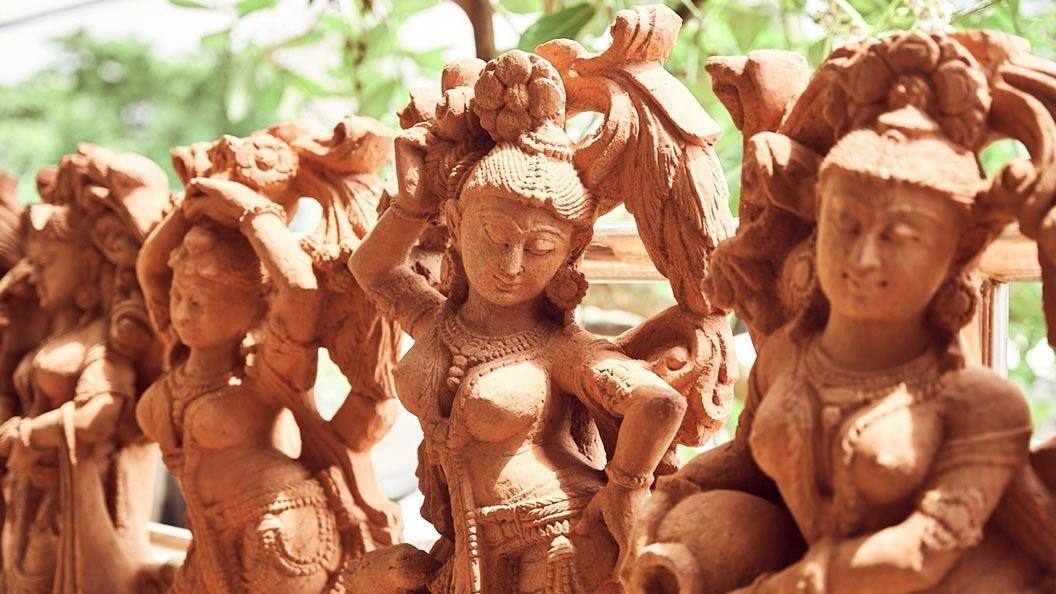
There is a plethora of rocks such as granite, marble, quartzite, slate, and other metamorphic rocks that are naturally found in Rajasthan. This has made the state a haven for stone carvers. Hundreds and thousands of forts, temples and palaces still stand in the desert state as examples of skilled stone-craftsmanship.
The Making
The stone carvers are particularly famous for their intricate jaali (latticework) carvings. Many historic palatial structures in Rajasthan flaunt jaali-work on their doors and windows. The windows to the zenanas (women's quarters) of palaces feature finely sculpted jaali screens of both sandstone and marble.
The Legacy
The stone-carving tradition of India is one with extraordinary heritage. Generations of artisans and stone-sculptors have thrived since the 7th century BCE, passing down knowledge and traditions. Notable Indian temples showcase the tradition of Indian stone-carving. These include Puri, Konark, Khajuraho, the Kailasa Temple of Ellora and the Shore Temple at Mahabalipuram. Madhya Pradesh has UNESCO World Heritage sites such as Khajuraho temples, the Sanchi Stupas, and the grand Gwalior Fort. These stand as testaments to the mastery achieved by stone carvers in bygone eras.
Memory Vault
Stone carving in India can be historically traced back to 3000 years, based on excavations. Earliest stone carvings included weapons made of stones. Over the centuries, stone carving has continued to be in use with artisans carving everything from temple pillars to utility items such as the silapatta (mortar and pestle).
Discover
The Collection
Featured
More from India
INDIA'S CRAFTS
Discover More
Chanderi Handloom
Maheshwari Handloom
Gwalior Hand Knotted Carpet
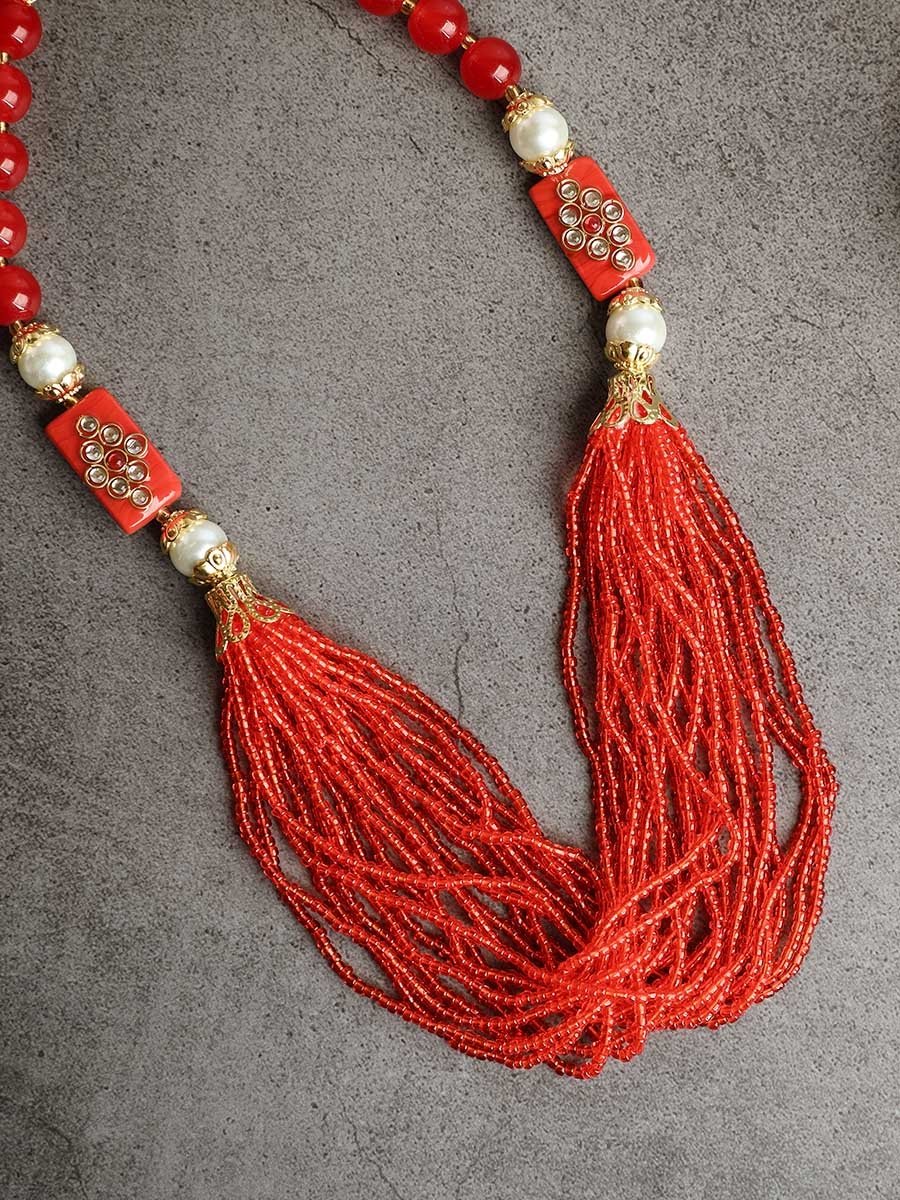
Glass Beads-Neemuch