.jpg)
The Craft
Gwalior Hand-Knotted Carpets
Madhya Pradesh
Carpets of opulence with Persian motifs
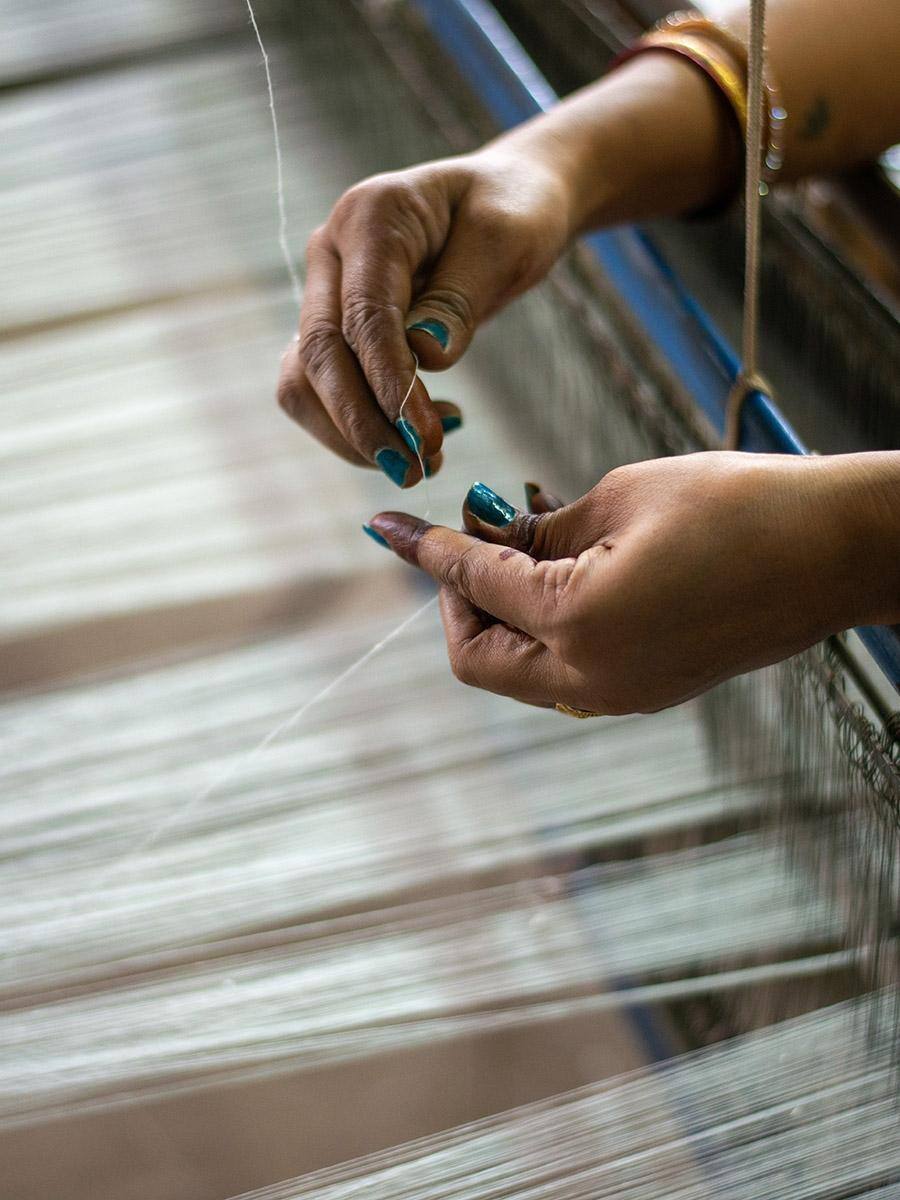
The hand-knotted tradition of Gwalior carpets dates back to the Mughals. The weavers who continue to keep the craft alive are traditionally from the Muslim community and the Hindu Kori community. There’s a huge demand for handmade Gwalior carpets among designers and home furnishing labels across the country. They are also exported to countries like the US and Canada.
The Making
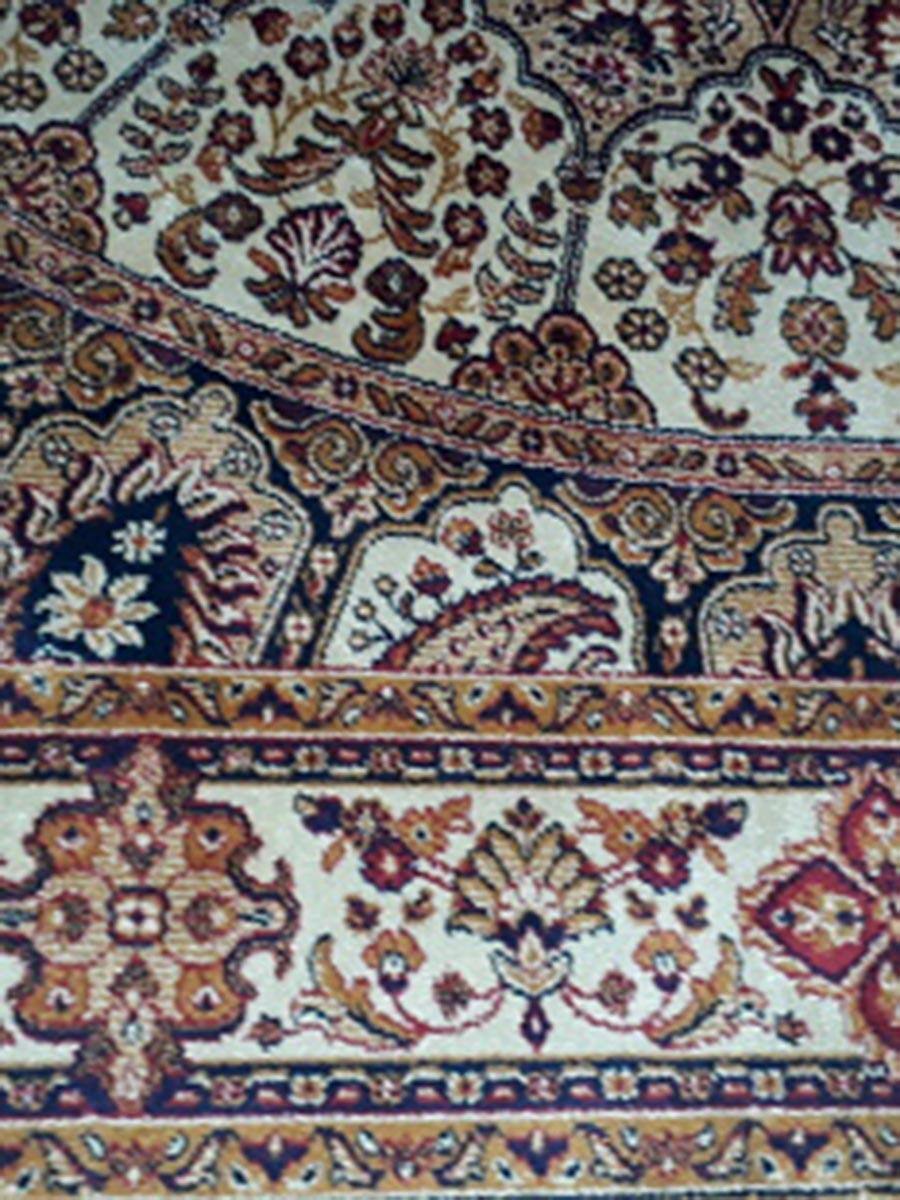
Authentic Gwalior carpets continue to feature Persian influences. Other motifs include elaborate floral designs, and those inspired by nature. As a finishing touch, the two edges along the breadth of these carpets have tassels on them.
The rectangular carpets usually have a central medallion, which spreads out into panels in the four corners. The gaps between are filled in with more floral patterns.
The Legacy
The Mughals brought the art of hand-knotted carpet weaving to Gwalior. They invited several artisans from Persia to India, and train the local craftsmen. Under their patronage, carpet weaving flourished and Gwalior became a bustling hub for the luxurious products. The craft is still alive, passed down through generations of artisans.
Memory Vault
When the British arrived in Gwalior in 1779, they were impressed by the expertise of the local carpet weaving families. They extended their support to them and in the 1900s founded The Oriental Carpet Manufacturing company to boost the production of these carpets.
Discover
The Collection
Featured
More from India
INDIA'S CRAFTS
Discover More
Chanderi Handloom
Glass Beads-Neemuch
Stone Carving
Maheshwari Handloom