The Craft
Maheshwari Handloom
Madhya Pradesh
Drapes of Cultural History
Maheshwar, a temple town in Madhya Pradesh, is renowned for the Ahilya Fort, named after 18th century queen Ahilya Bai Holkar, and the region’s exquisite handloom saris. The ramparts of the fort are the inspiration behind the motifs adorning Maheshwari saris, along with the Narmada River that is reflected in their wave patterns.
The Making
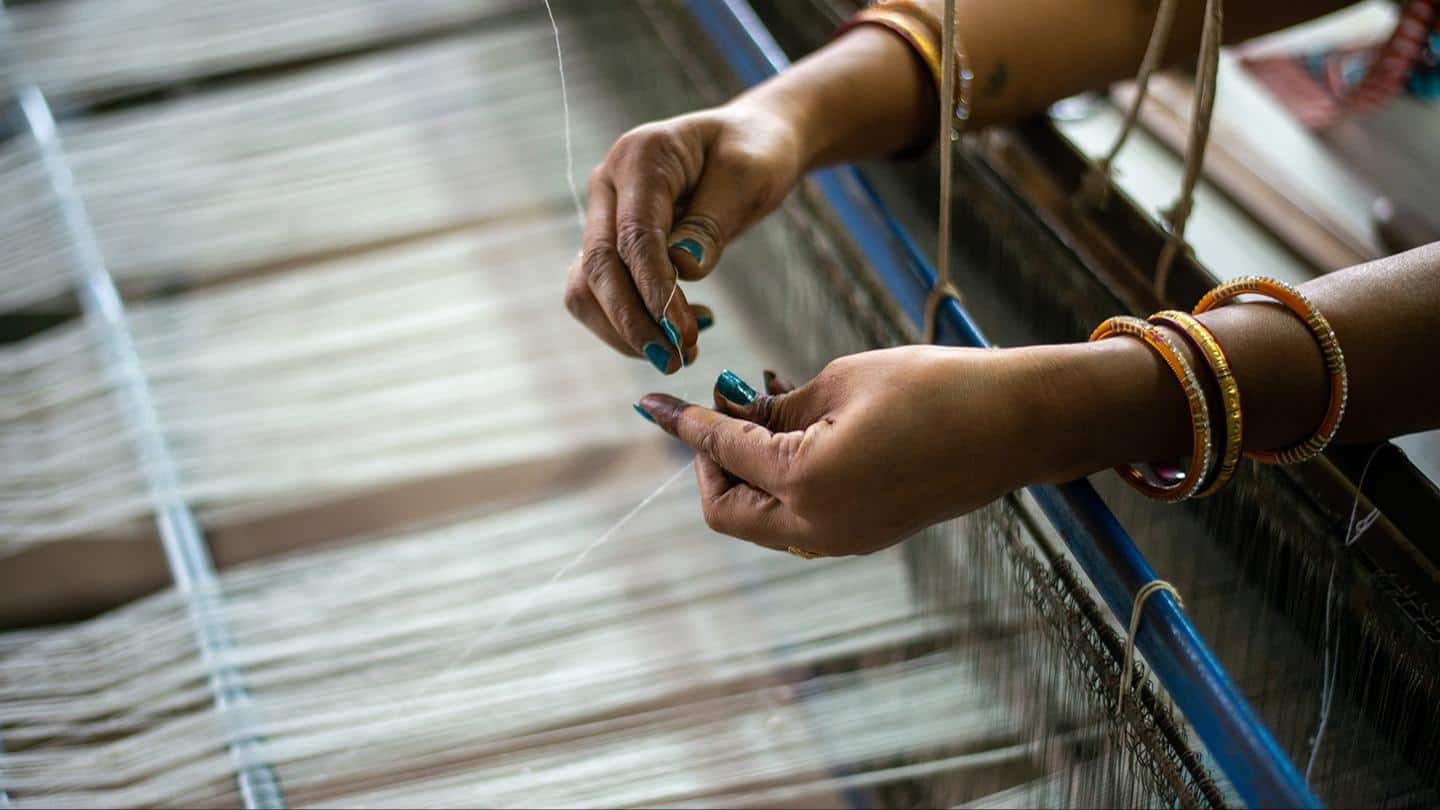
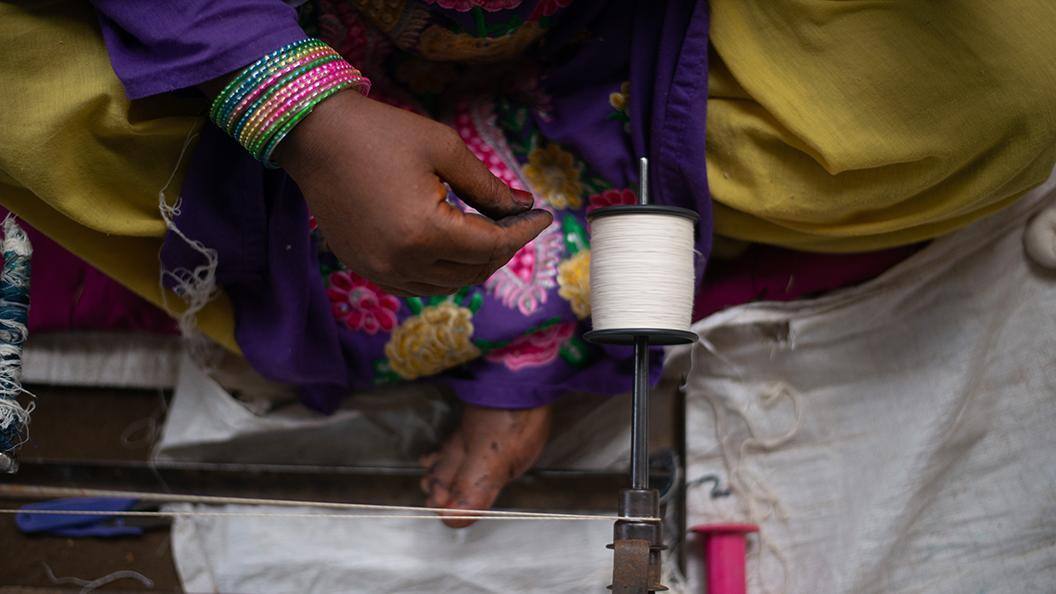
Maheshwari saris are usually crafted from cotton, and have a pallu on both ends for versatility. The body features light checks, while the pallu has three or five characteristic stripes in two complementary colours. Weavers traditionally use fixed pit looms, as well as metal looms these days. They also add silk yarns with the cotton, with abstract motifs and occasional zari borders. The diverse range of natural dyes come from the palash flower, satalu peach plant and harada, a kind of tropical almond.
The Legacy
In the 1700s, Queen Ahilyabai Holkar welcomed many poets, scholars and artists. She invited skilled weavers from Surat in Gujarat, and commissioned saris that paid tribute to the local architecture. This gave rise to the Maheshwar textile, woven through a painstaking technique; it takes five days to complete one sari.
Memory Vault
In 1978, Richard and Sally Holkar, social entrepreneurs, activists and advocates of handlooms, established the Rehwa Society for Maheshwari weavers.
Discover
The Collection
Featured
More from India
INDIA'S CRAFTS
Discover More
Chanderi Handloom
Stone Carving
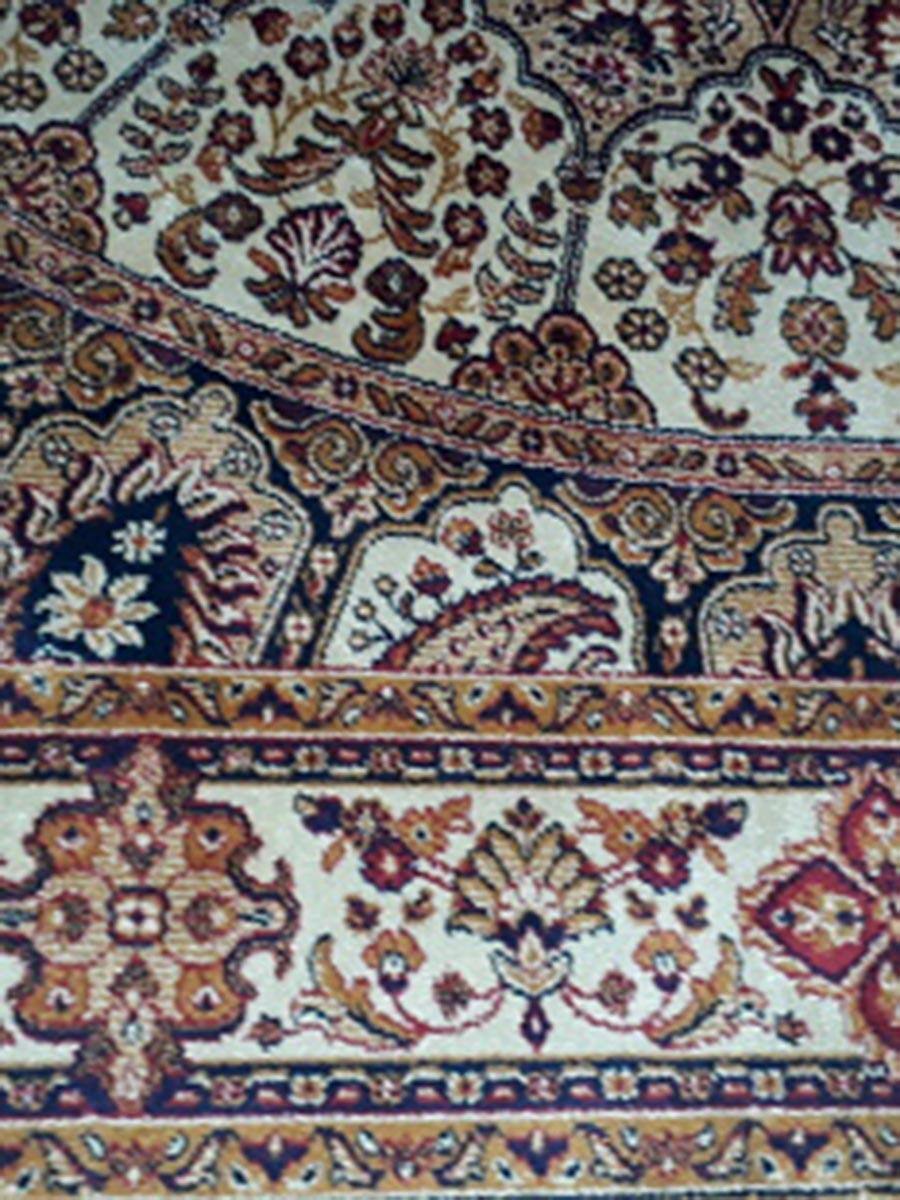
Gwalior Hand Knotted Carpet
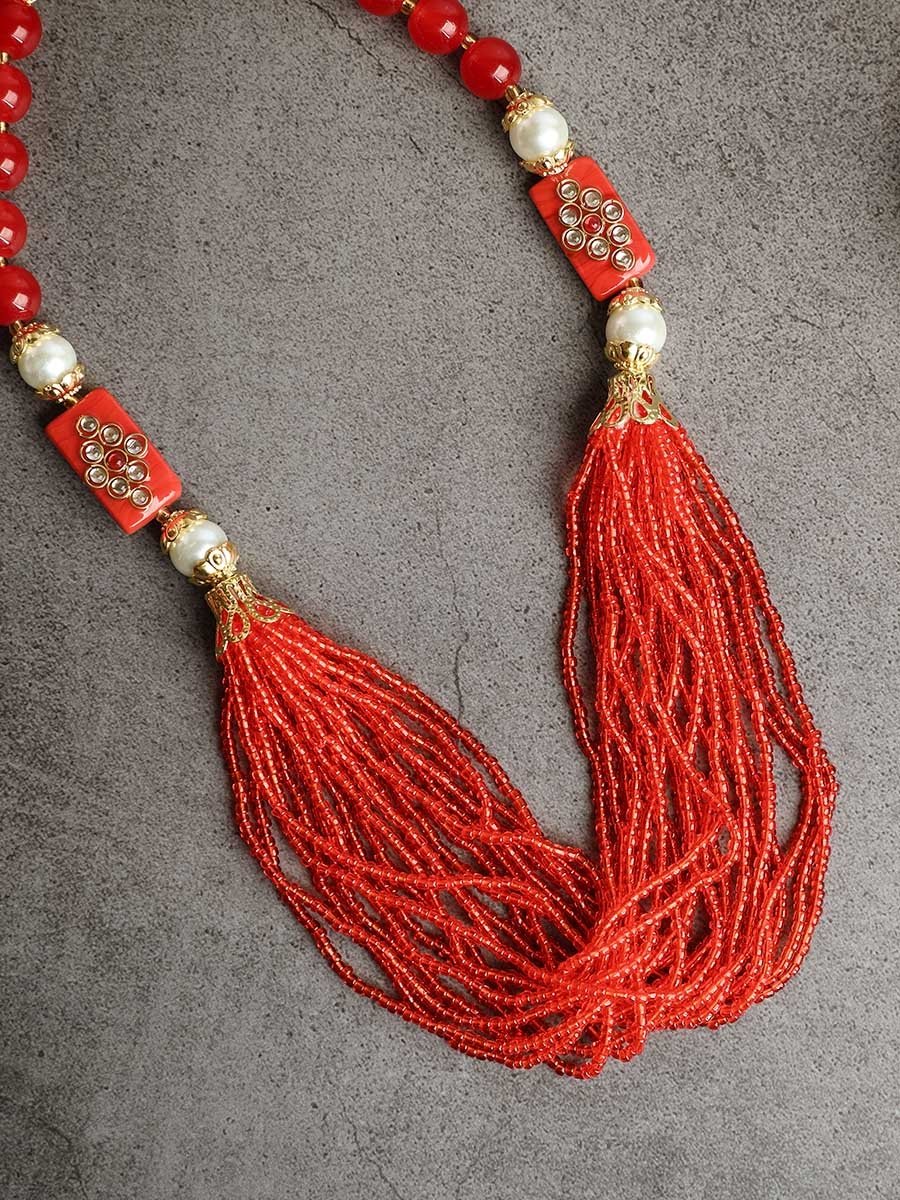
Glass Beads-Neemuch