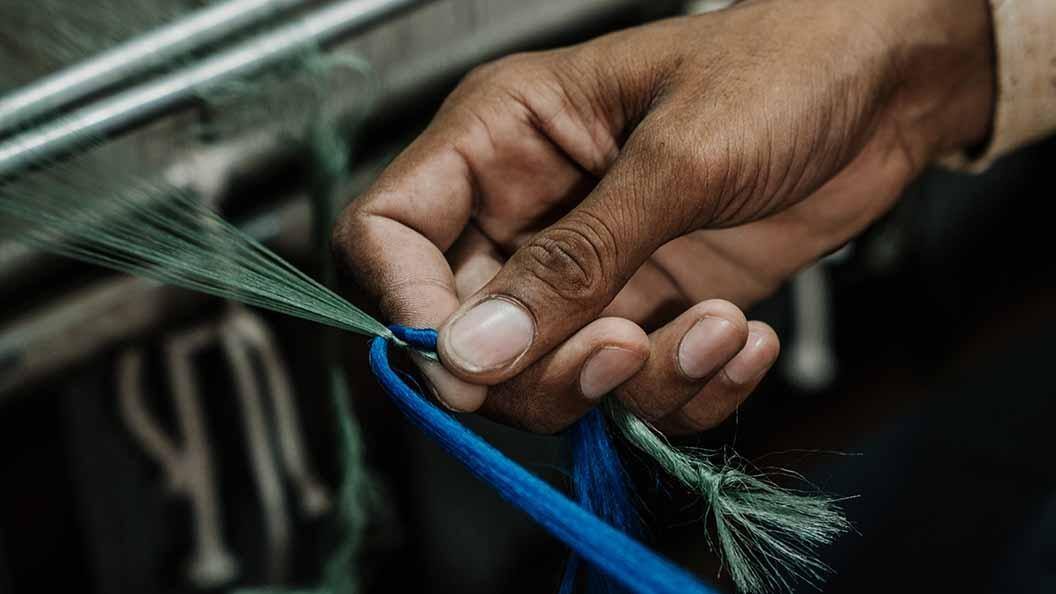
Gossamer weaves of the royal Chanderi
Named after the town where it originated, the traditional Chanderi weave has continued to cast its spell with its soft and shimmery texture. The early 20th Century saw the Chanderi weave getting a boost under the patronage of the Scindia royal family in Gwalior. Today, designers both at home and abroad are continuing to use it in their creations.
The Making
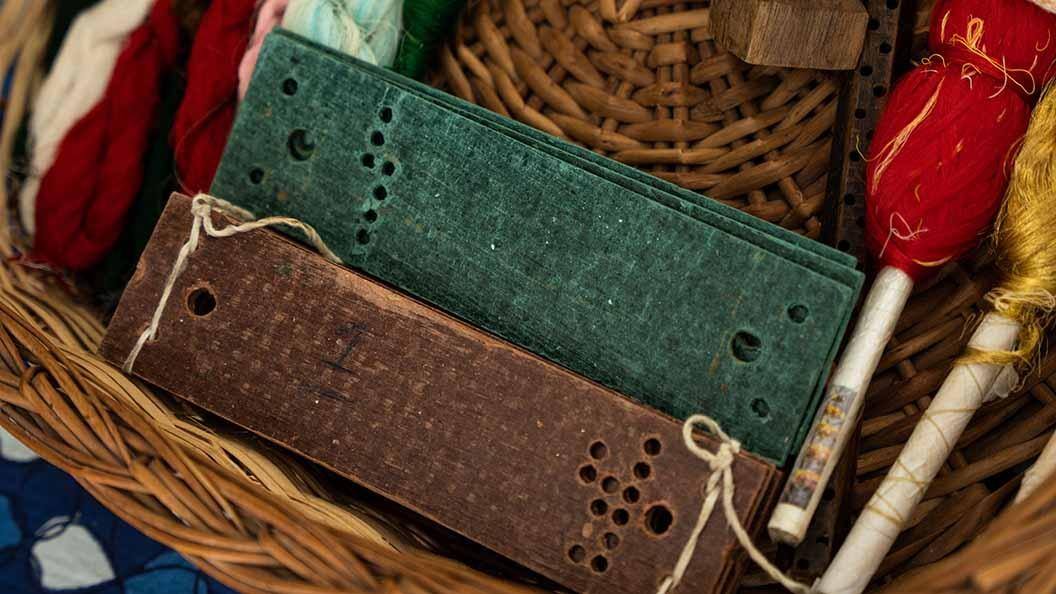
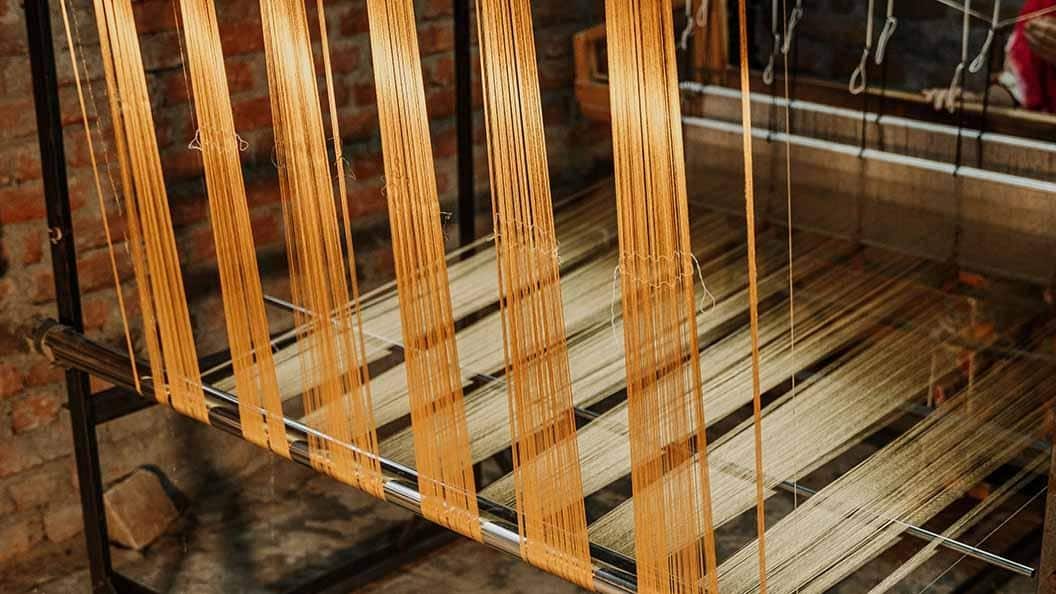
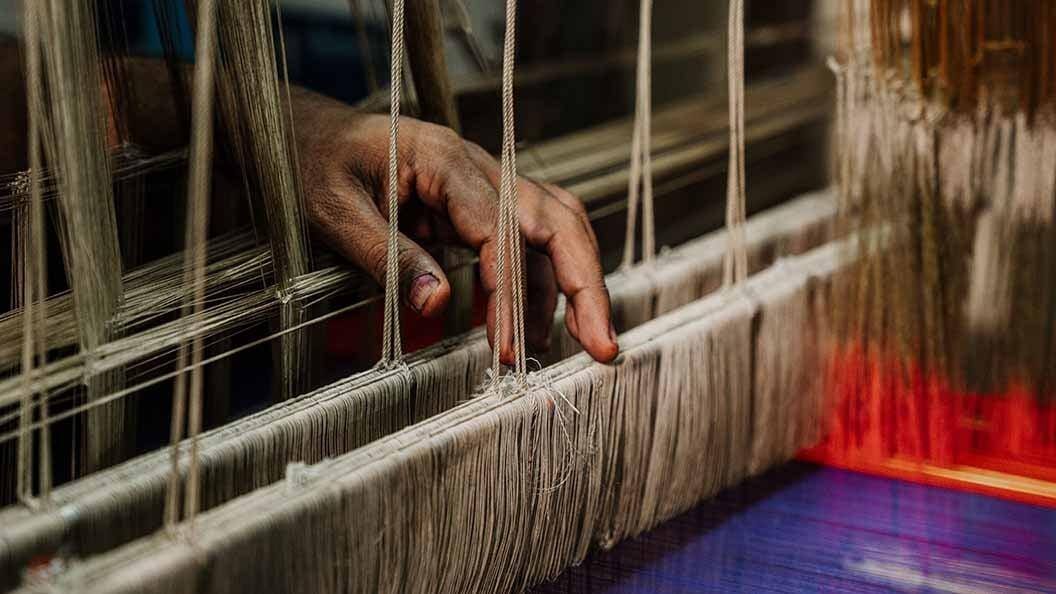
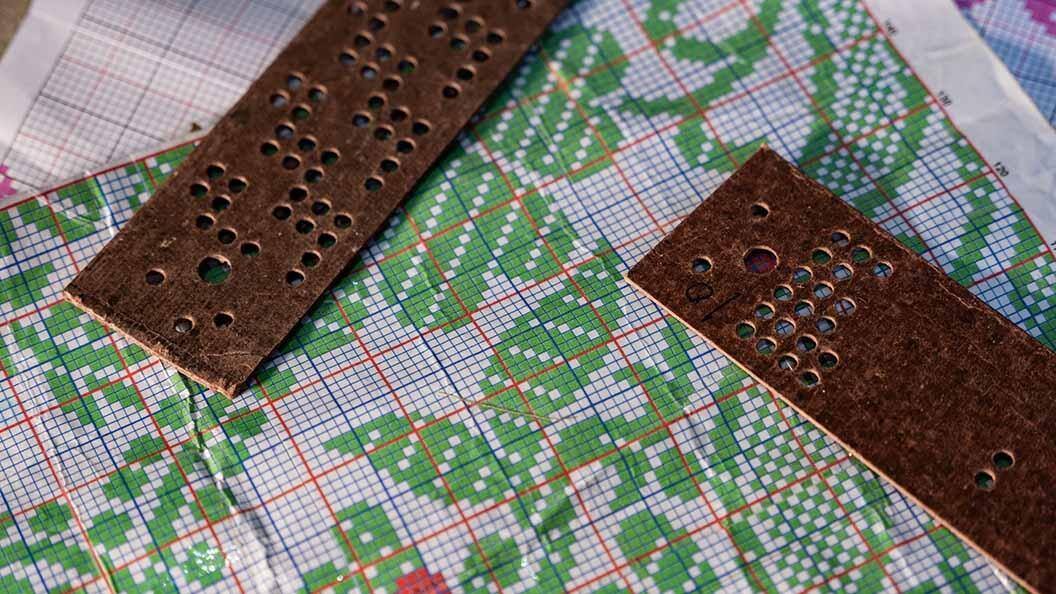
The gossamer fine Chanderi is woven in pit and jacquard looms, employing a dobby mechanism to create interlocking threads of warp and weft. A simple sari typically takes three days, but a sari with zari work and intricate motifs may take up to fifteen days. Traditionally woven using 200-count cotton yarn, the craft also extends itself to silk. Prominent motifs include buti, jaali, and chatai, as well as figures of birds and asharfi (coins). Many of these motifs were introduced under the patronage of the Scindias.
The Legacy
Mention of the delicate Chanderi is found even in Indian mythology. Historically, according to researchers, the weaving tradition can be traced back to the 7th century.
Memory Vault
The Chanderi handloom is prominently displayed at the Jai Vilas Mahal Museum, a 19th century palace in Gwalior built by Jayajirao Scindia. One of the exhibits is the Shinde Shahi Pagdi (turban), a 50 x 50 metre Chanderi turban crafted from cotton, which would have once been painstakingly wrapped around the royal head by the padadbandh (turban maker).
Discover
The Collection
Featured
More from India
INDIA'S CRAFTS
Discover More
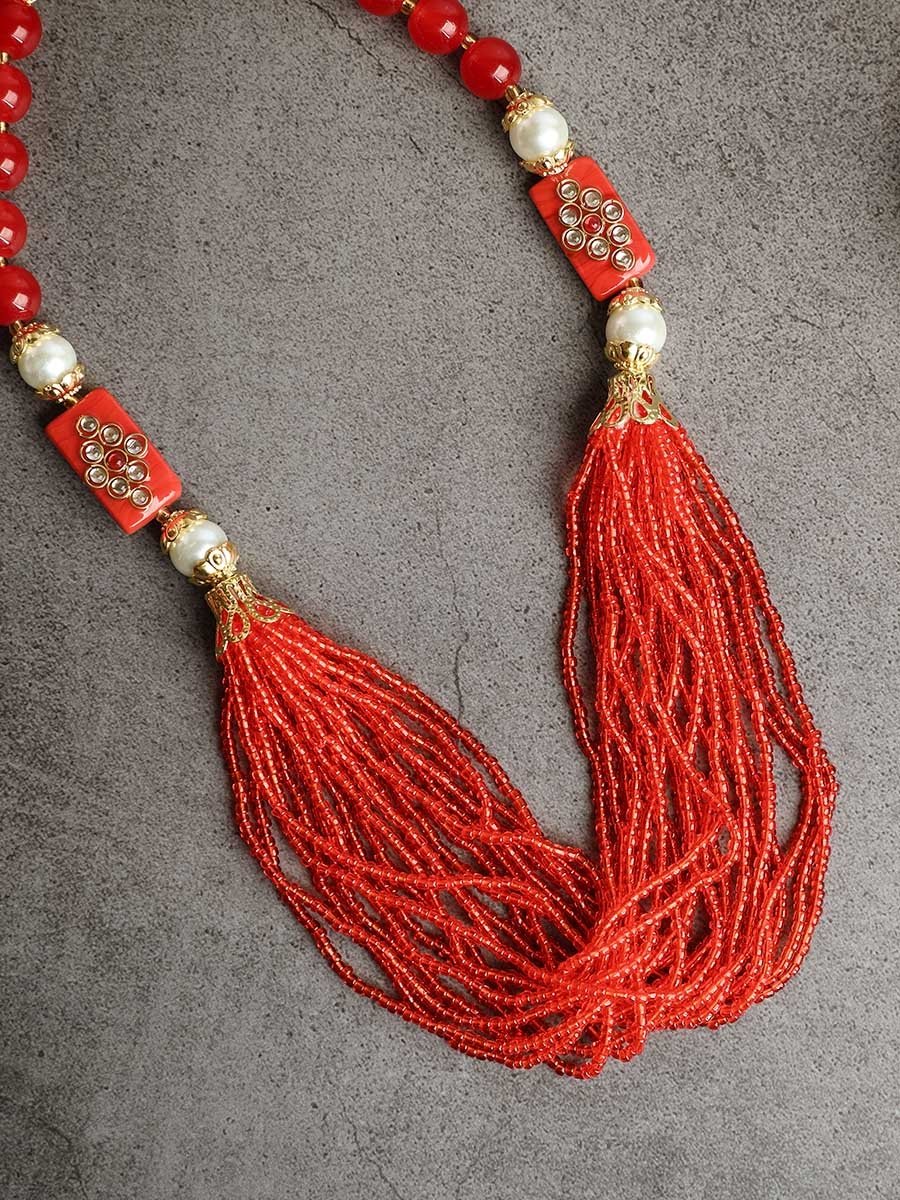
Glass Beads-Neemuch
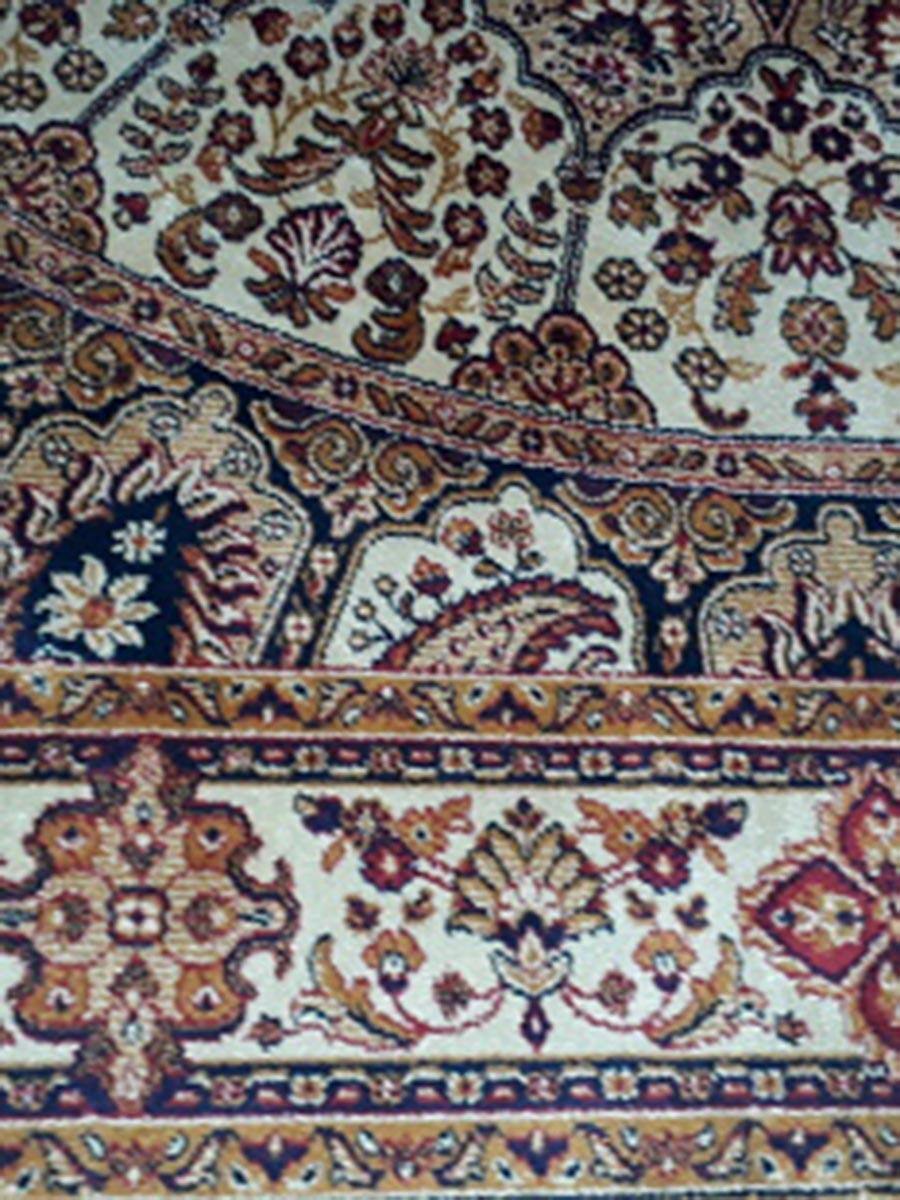
Gwalior Hand Knotted Carpet
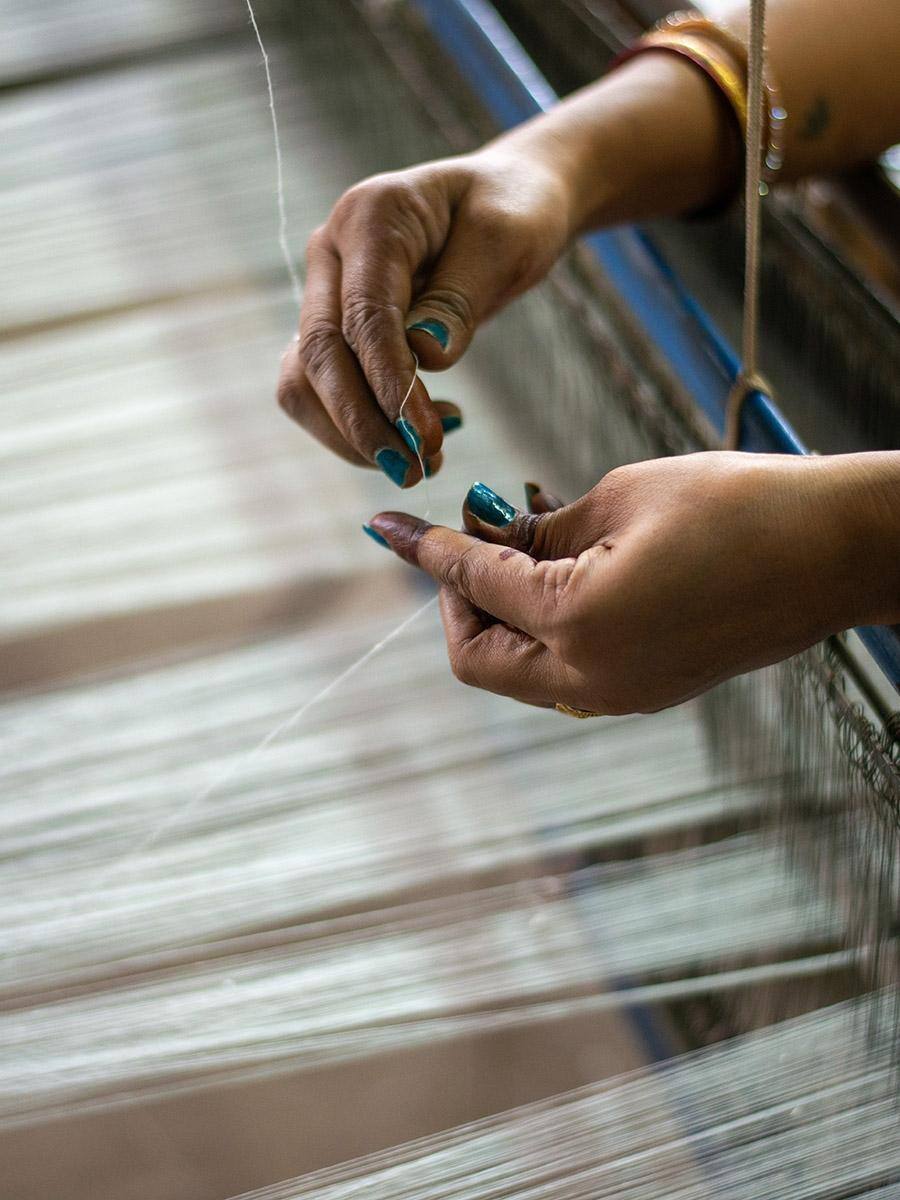
Maheshwari Handloom
Stone Carving