The Craft
Mysore Rosewood Inlay
Karnataka
Ornamenting Wood
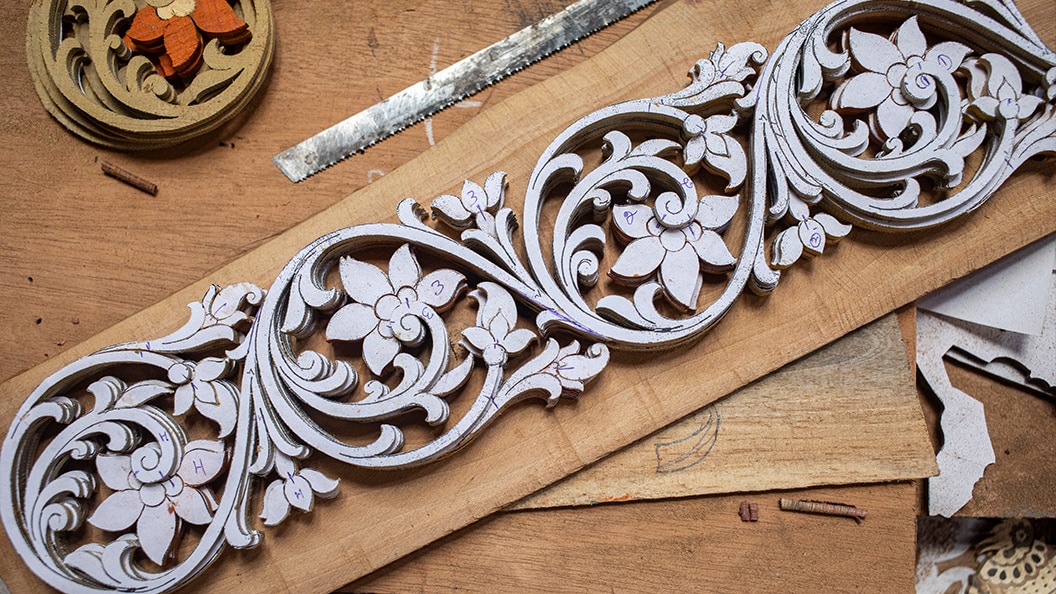
Karnataka is well-known for its wooden crafts, and the town of Mysuru is a key centre where intricate wood inlay work has flourished. Talented craftspeople produce ornamental designs on wooden artefacts using shells, mother-of-pearl, horn and sandalwood.
The Making
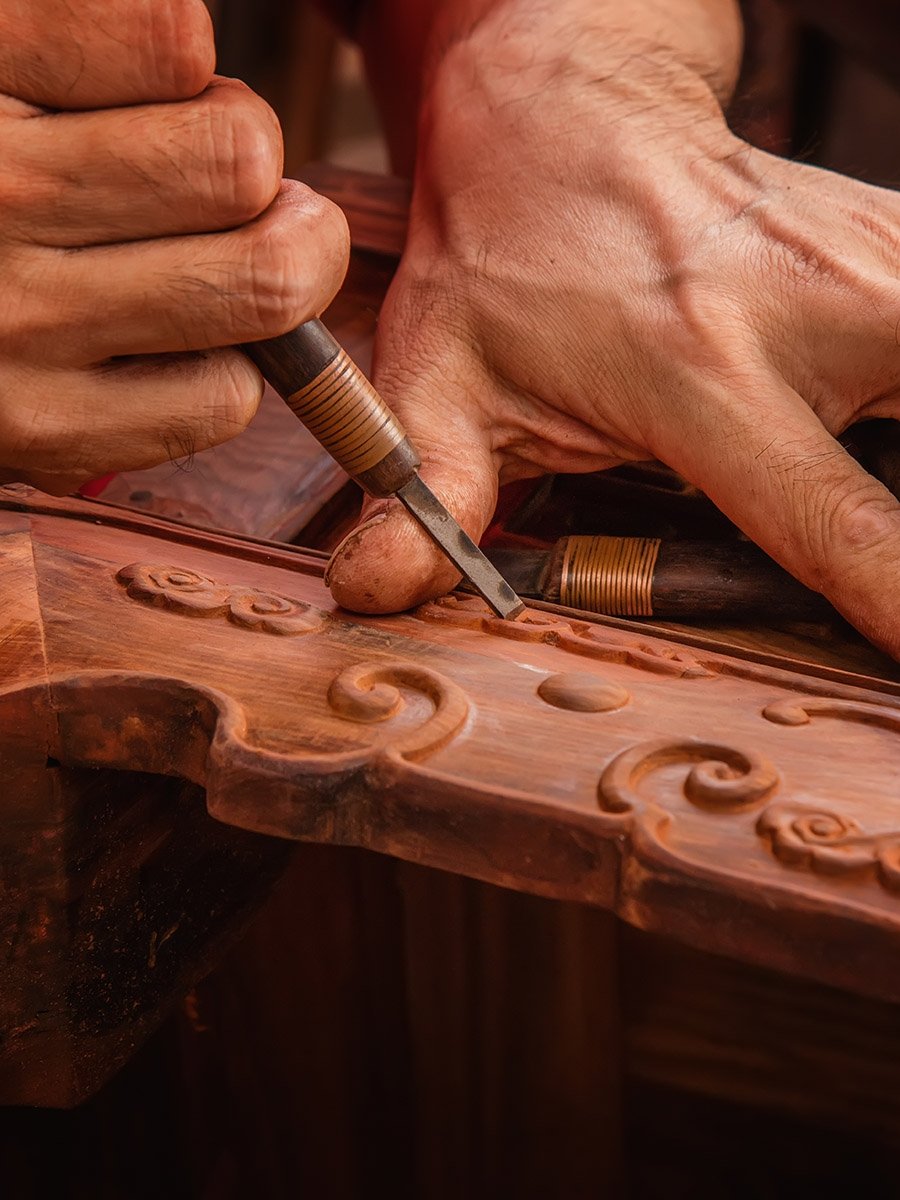
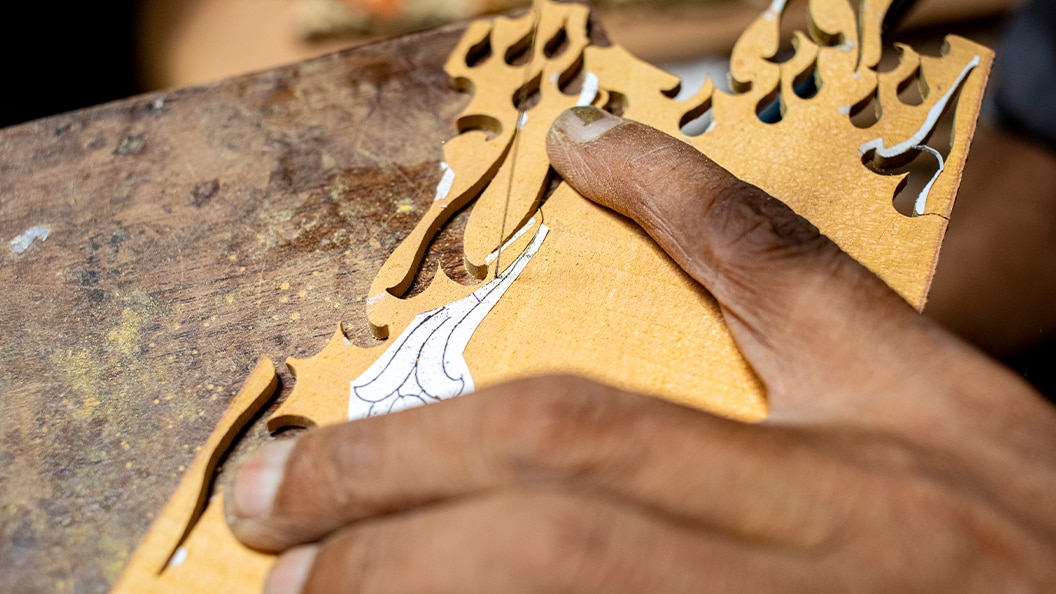
Mysore inlay is still practised in Karnataka, and the process demands exceptional skill. Artists first craft patterns and shapes. Then, these are carefully inserted and glued into recesses in the wood using jewellery blades, saws, files and inlay chisels. Finally, the wooden surface is coated with black lacquer for a striking look. Some pieces may also feature painting and gold or silver accents.
The Legacy
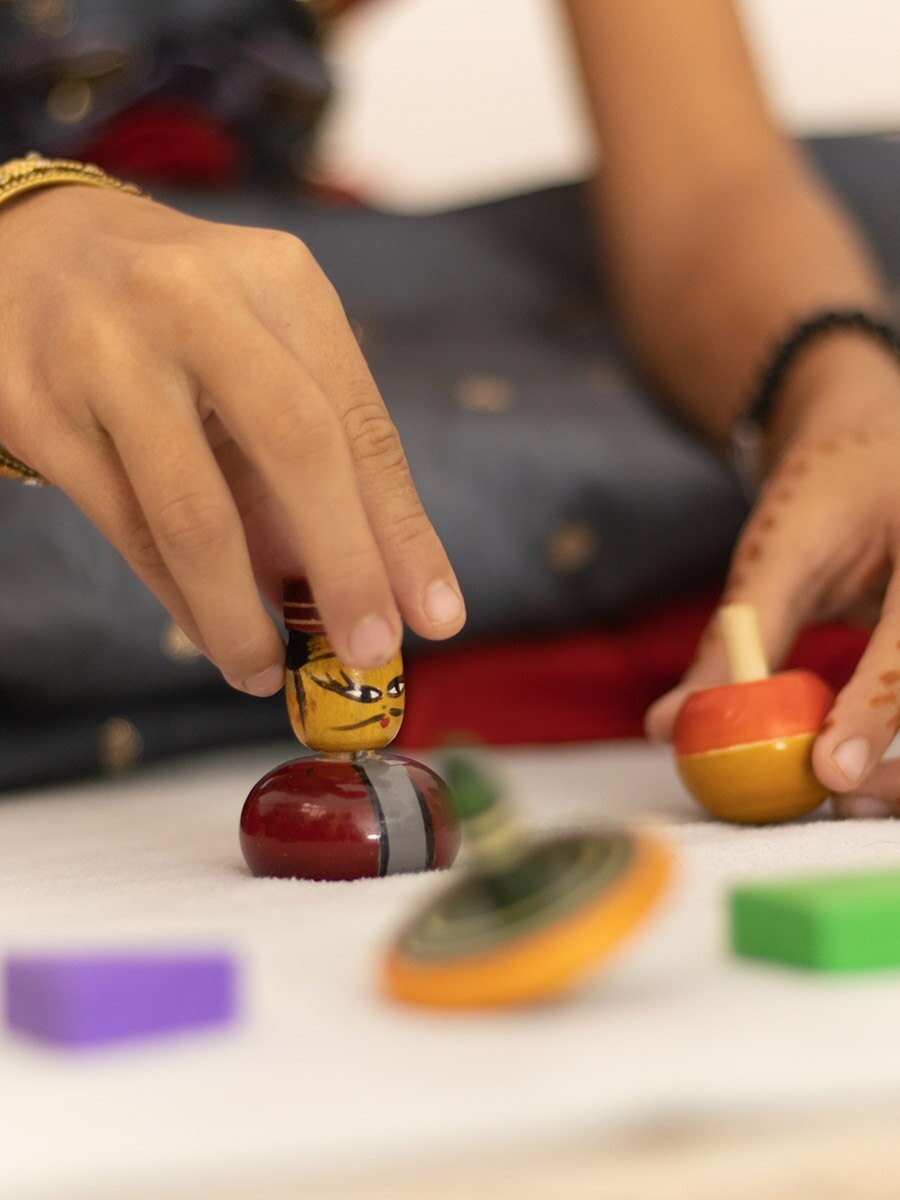
Mysore inlay work reached its peak under the patronage of monarchs like Tipu Sultan and the Wadiyar Dynasty. The royalty commissioned inlay work, often with ivory, for musical instruments, doors and furniture for their palaces. Craftspeople now use different colours and materials like acrylic, shell or plastic to create the ivory effect. They use locally sourced rosewood, yellow wood and ebony to create furniture, toys and décor items. Mysore rosewood inlay craft was certified with the Geographical Indication (GI) tag in 2005.
Memory Vault
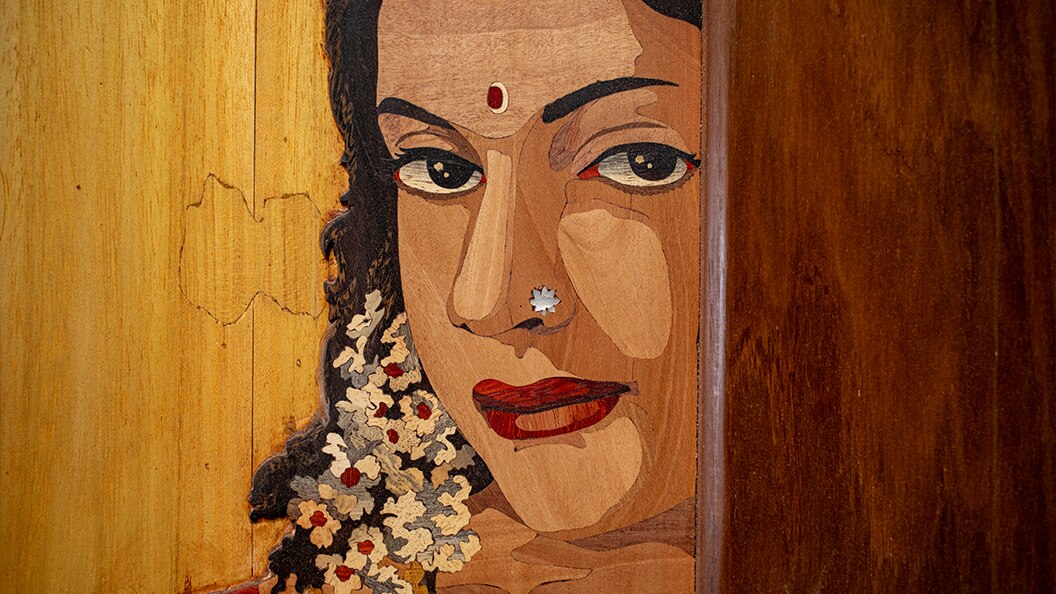
Mysore rosewood inlay work was showcased at the Indian Art Exhibition in Delhi as early as 1903. A casket with an ivory inlay photo frame sent by the Mysore maharaja won a gold medal at the British Empire Exhibition in 1924. Jayachamaraja Wodeyar Bahadur, the 25th and last maharaja of the princely state of Mysore, was a patron of several crafts, including ivory inlay in rosewood. Shaukat Ali, a master craftsman, is renowned for evolving the craft using woods of different colours for inlay work.
Discover
The Collection
Featured
More from India