The Craft
Lapidary
Jaipur
Emperor Ashoka’s royal seal is a piece of Lapidiary art
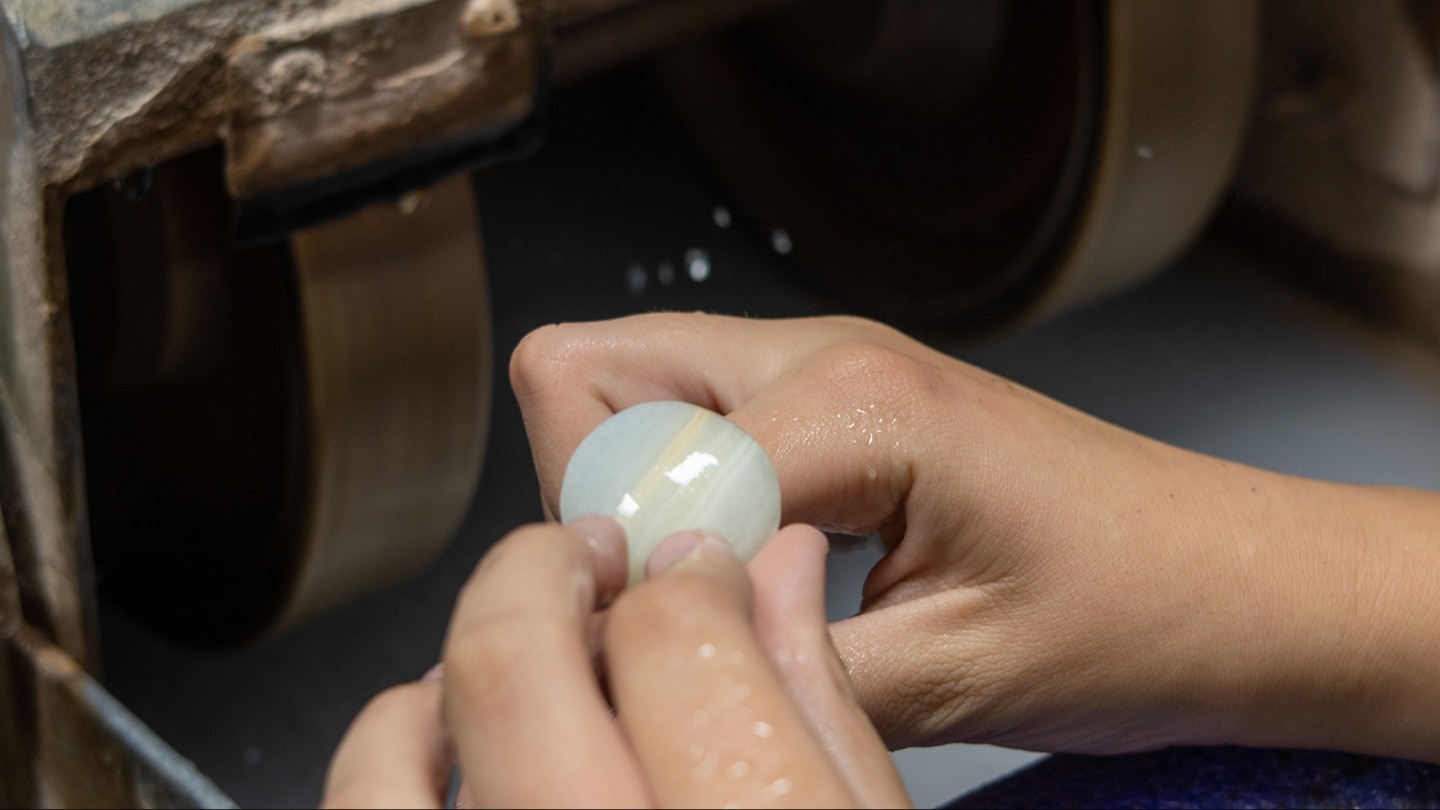
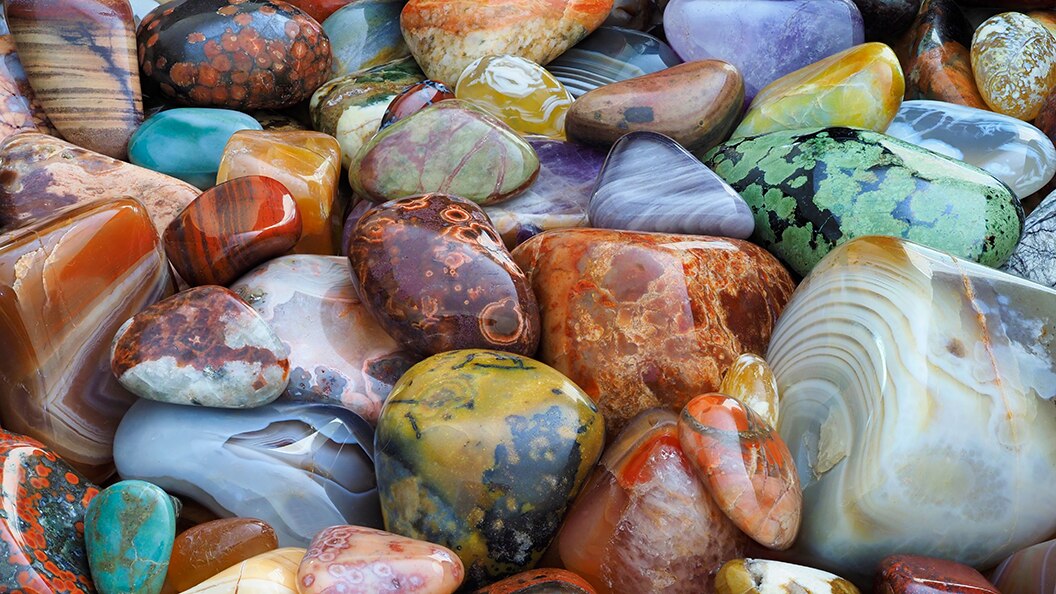
A prominent hub of gemstone exports, Jaipur is also famous for the exquisite art of Lapidary. This is the craft of shaping stones, minerals and gemstones into decorative pieces and faceted designs. Master artisans, or lapidarists, combine traditional craftsmanship with modern creations.
The Making
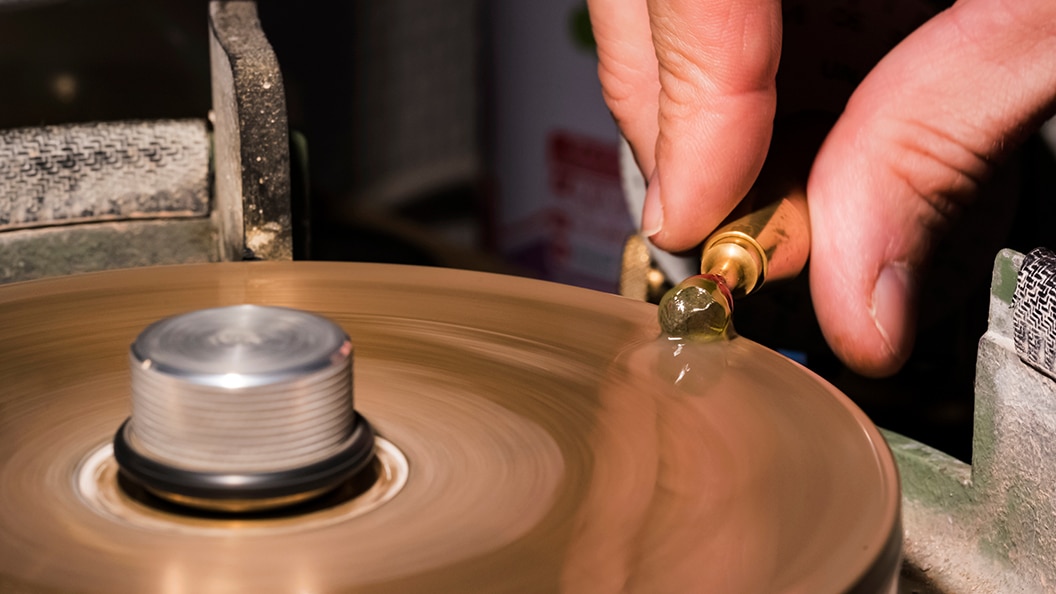
The artists shape and refine gemstones using a progressive abrasion process. This involves the techniques of tumbling, cabochon-cutting and faceting. While technology helps hone the result, gem-cutters still cut and shape raw stones by hand using diamond-embedded tools. They refine the stone using shaping wheels. They create facets and polish them in a barrel with water and a grinding/polishing medium. The intricate details are checked with a magnifying glass, before the gems are given a final polish.
The Legacy
Gemstone carving in India has a rich heritage dating back to the Indus Valley Civilisation. According to archaeologists, trade in Lapidary goods between Africa and India can be traced to the first millennium CE. This industry has welcomed modern advancements like computer-aided design (CAD) and 3D printing. Other modern conveniences include mechanical tools. These innovations have allowed the artists to create novel and imaginative designs.
Memory Vault
One of the most notable Lapidary pieces in history, is the seal of Mauryan emperor Ashoka. The masterpiece, crafted from a single piece of rock crystal, showcases a majestic lion atop a pedestal. Scholars estimate it to have been made in the 3rd century BCE, when Lapidary was flourishing.
Discover
The Collection
Featured
More from India
INDIA'S CRAFTS
Discover More
Bagru Hand Block Print
Jaipur Silver Chetai
Tarkashi
Pichwai Painting